
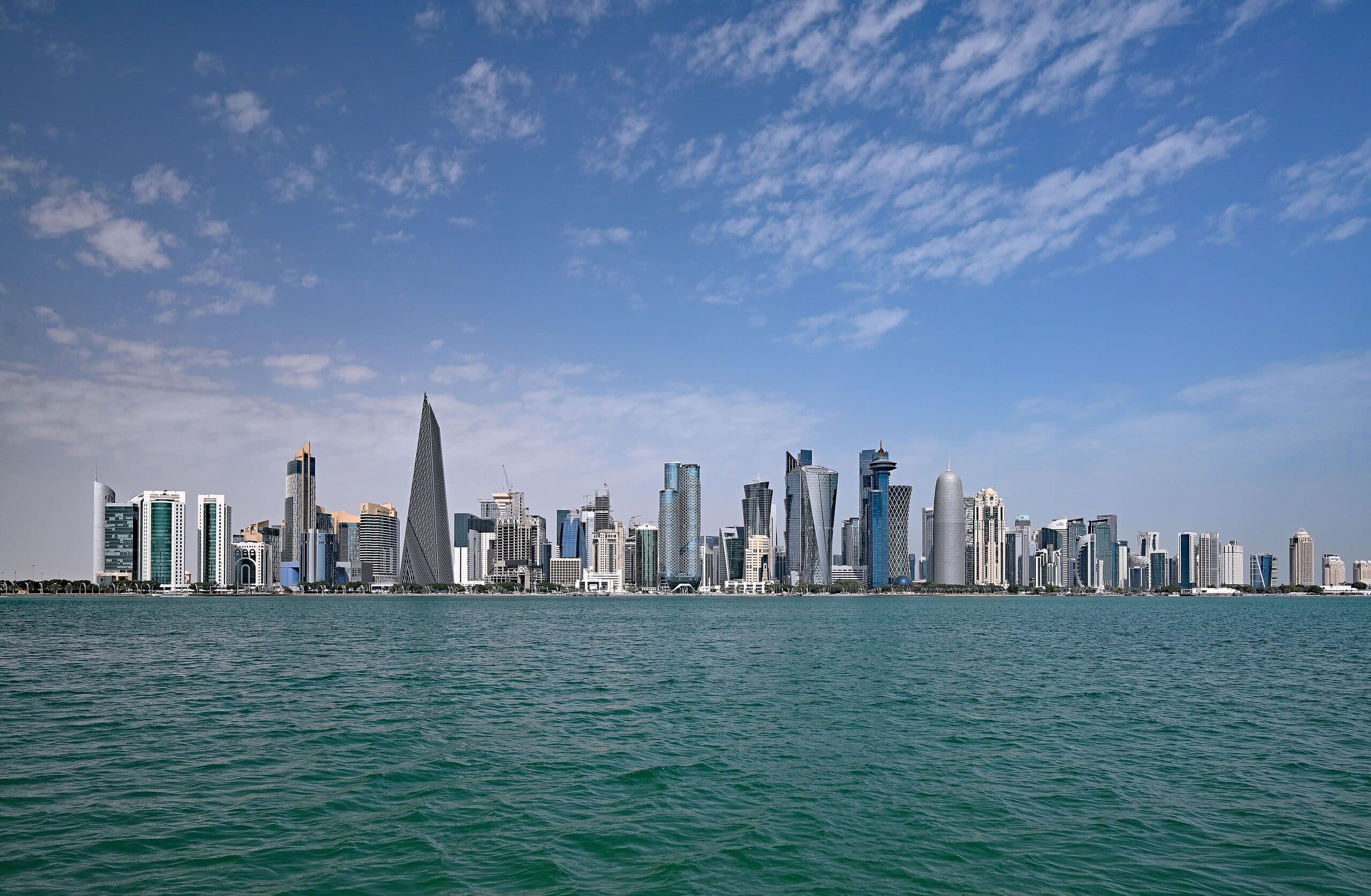
The Qatar market, as it actually is.
Every market entry rests on claims about demand, competitors and prices. Market research is the difference between claims you inherited and claims you checked.
Qatar is a small, wealthy, fast-moving market — which makes desk research from abroad uniquely misleading. Aggregate statistics hide that demand concentrates in a handful of buyers; a competitor invisible online may dominate through relationships; the price a report quotes may be a list price nobody pays. Ground truth here is gathered by asking, visiting and cross-checking in Doha, not by exporting a template.
Our research is scoped around decisions, not curiosity. Before fieldwork starts, we agree what choice the findings must inform — enter or not, at which price, through which channel, against whom — and we gather exactly the evidence that decision needs: competitor mapping with real offers and price points, buyer conversations where access permits, channel and procurement mechanics, regulatory constraints that shape the addressable market.
The deliverable is written to be used: findings, the evidence behind them, and what they mean for your entry plan — in your language, with the confidence level of each claim stated honestly. Where the data is thin, we say it is thin; a research report that hides its own uncertainty is just marketing with footnotes.
How it works, step by step
- 01
Define the decision the research serves
Enter or not, price where, sell through whom — the decision defines the questions, and the questions define the fieldwork. Nothing is gathered that serves no choice.
- 02
Map what is already known
Existing studies, public data and your own materials are read first, so fieldwork spends its budget on what is genuinely unknown.
- 03
Research the supply side
Competitors, their real offers, real price points and positioning — checked in the market, not just on their websites.
- 04
Research the demand side
Buyer structures, decision processes and appetite, through conversations and channel checks where access permits — with claims cross-checked, not collected.
- 05
Test the mechanics
Distribution, procurement, licensing and import realities that decide whether demand is reachable at your economics.
- 06
Deliver findings built for the decision
A written report with evidence, honest confidence levels and implications for your entry plan — presented and discussed, not just sent.
Documents you will need
- Description of your product or service and target segment
- The decision the research must inform
- Your current assumptions on demand, prices and competitors
- Existing research or data you already hold
- Constraints: timeline, budget, confidentiality
Is this the right route for you?
A good fit if
- Companies sizing real demand before committing to a Qatar entity
- Brands that need actual street prices and competitor offers, not list prices
- Boards that want independent evidence under an entry decision
- Founders pairing research with a feasibility study before spending
Not the right route if
- You need a number for a slide by Friday — honest fieldwork does not work that way
- The decision is already made and research would only decorate it — save the budget
- You need continuous market intelligence — we scope projects, not subscriptions
- Global multi-country studies — our ground truth is Qatar; we can coordinate with others for the rest
Frequently asked
Why can I not just research the Qatar market from abroad?
Because the market's real texture — who actually buys, at what price, through whom — lives in conversations and site visits, not in exportable statistics. Desk research finds what is published; Qatar runs to a large degree on what is not.
What does a typical research engagement cover?
Most cover some mix of competitor mapping, pricing reality, buyer structure and channel mechanics — scoped around the decision you need to make. We would rather answer three questions well than ten questions vaguely.
Can you talk to potential buyers for us?
Where access and confidentiality permit, yes — structured conversations with buyers, channel partners or operators are often the most valuable part. We are transparent about who we could and could not reach.
How long does market research take?
Scoped engagements typically run in weeks. The calendar depends mostly on access — getting the right people in the room in Doha — which is precisely the part our local presence accelerates.
How is this different from a feasibility study?
Market research establishes what the market is; a feasibility study asks whether your specific venture works in it — costs, revenues, risks, structure. Research often feeds the study; each can also stand alone.
What if the research kills my idea?
Then it did its job at the cheapest possible moment. We report what we find, including findings you will not enjoy — the report's value rests entirely on that.
Is the research confidential?
Yes — scope, findings and even the fact of the engagement stay confidential. Where fieldwork requires talking to the market, we agree beforehand exactly what may be revealed and what may not.
Do you use AI tools or syndicated reports?
As inputs, where they help — never as the product. Everything that reaches your report is verified against ground truth, and the sources of each claim are stated so you can judge them yourself.
Request this service
An honest assessment and an itemised quote in return — no commitment.